

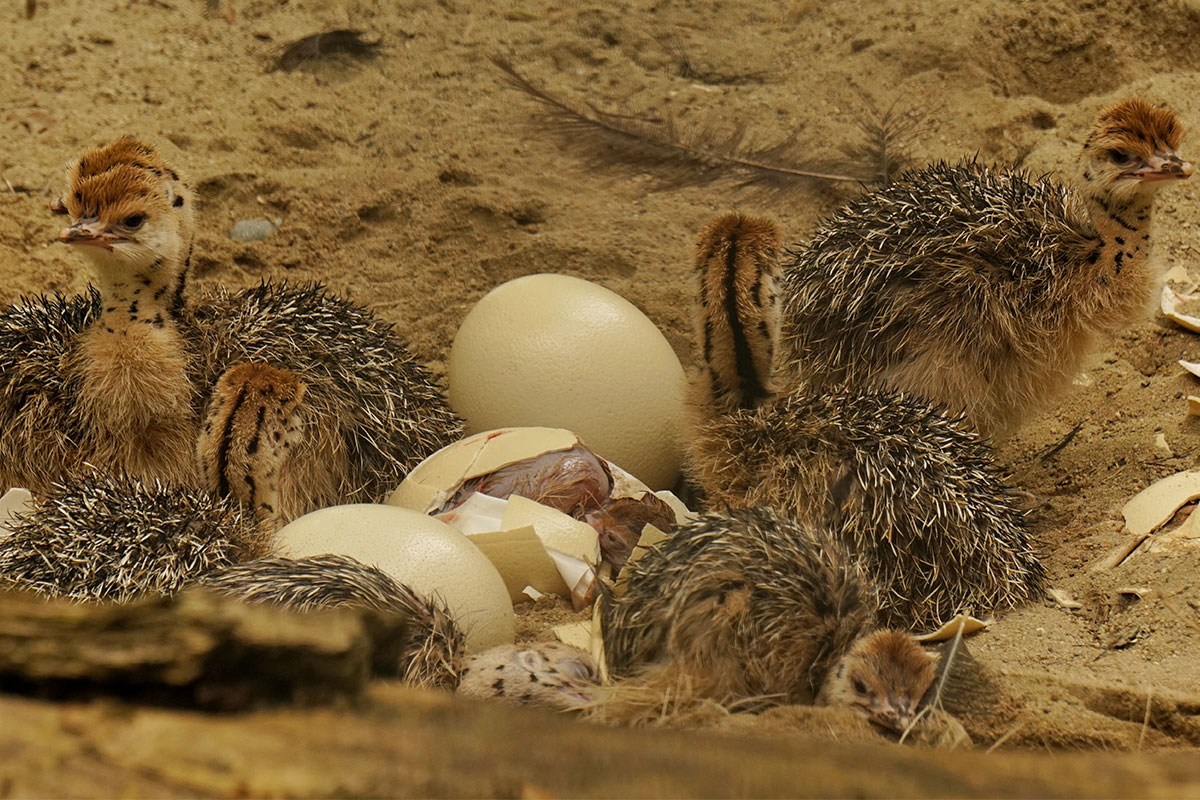
Gigant-egg!
An ostrich egg is huge. Roughly 24 chicken eggs could fit inside just a single one! No wonder the ostrich parents have to brood for 42 days before a chick hatches. By the way, the two numbers are easy to remember: just flip the digits!
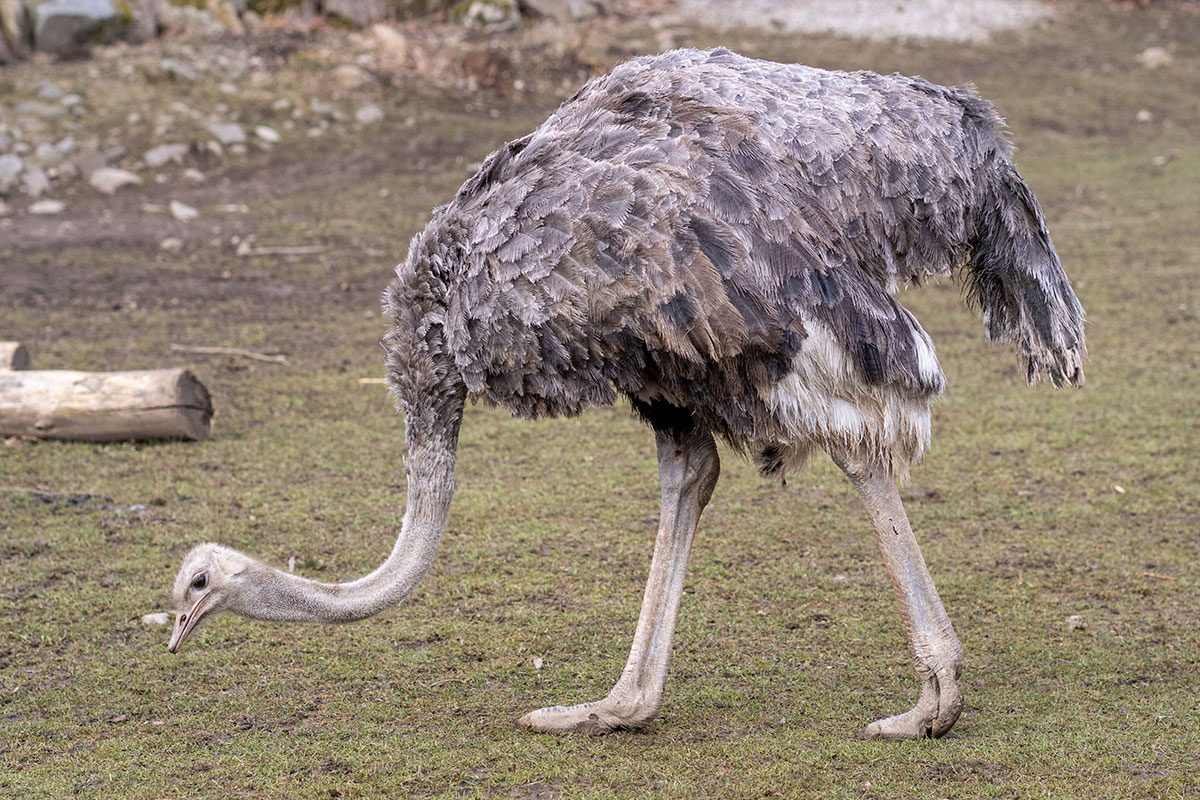
Yummy, stones!
Have you ever seen ostriches peck at little stones? They really do – though not because they find them delicious! Inside their stomachs, the pebbles mix with their food. As the stomach moves, the food is ground down between the stones. It’s the only way ostriches can properly digest their meals.
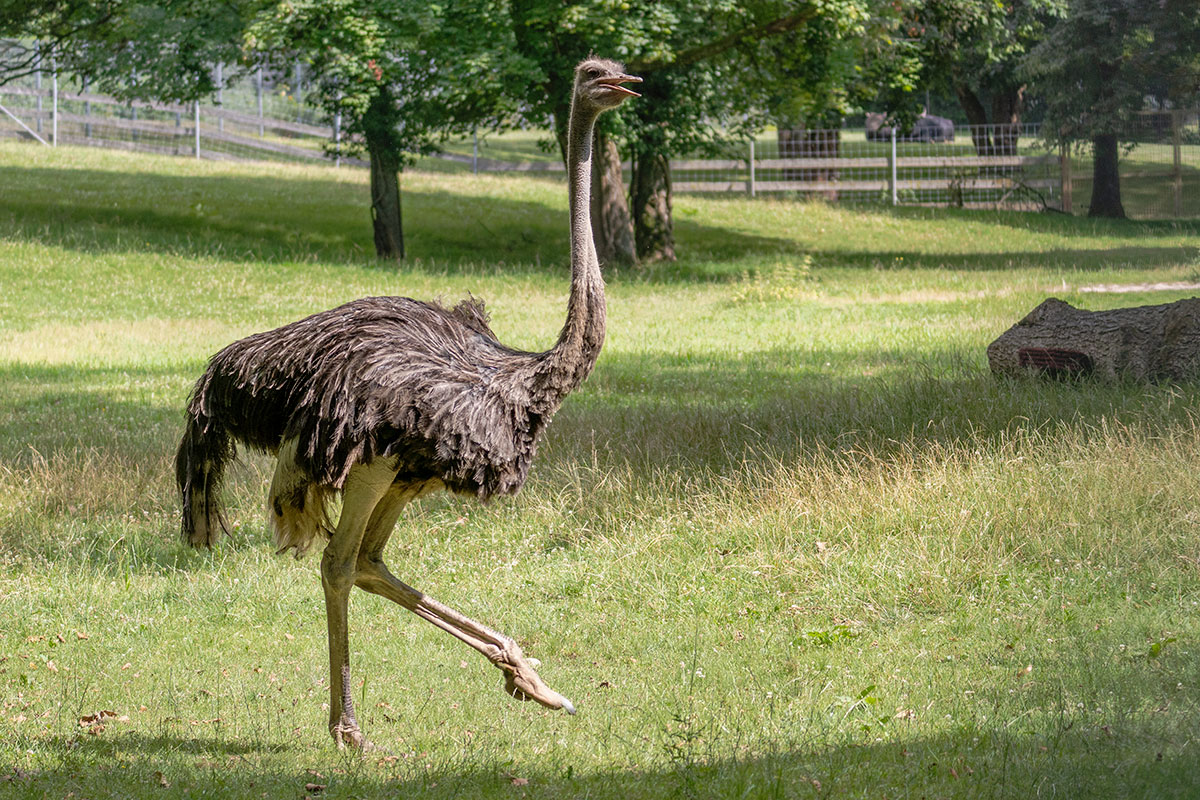
Light as a feather...
...only applies to their especially and uniquely soft plumage. Otherwise, ostriches are quite heavy – and very dangerous. The most dangerous part of an ostrich is its toes: a single well-aimed kick can kill a lion.
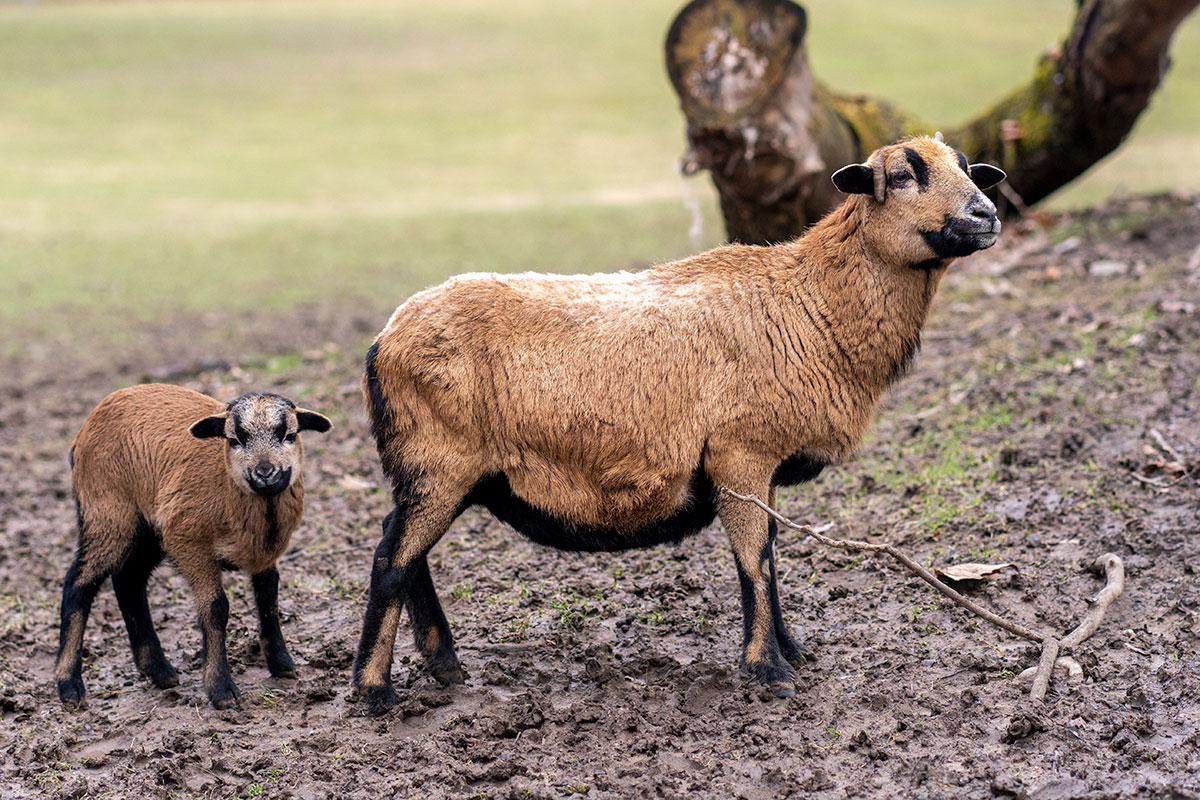
Who walked by here?
Maybe it was Zabrina the Cameroon sheep! She is especially trusting and often comes right up to our zookeepers. That’s because she lost her mother at birth and was hand-reared. Have you spotted Zabrina in the enclosure yet?
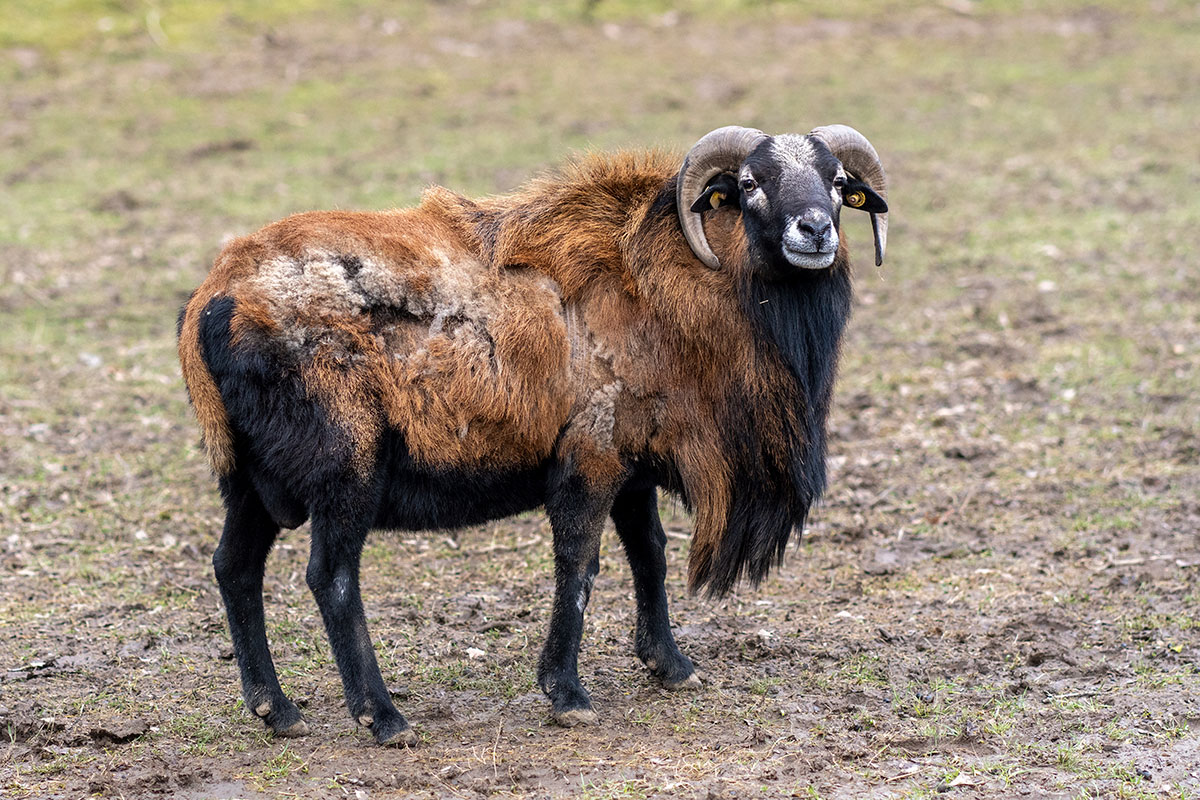
Shaggy sheep
Cameroon sheep are hair sheep. In other words, they have hair rather than a woolly fleece that needs shearing. Instead, they shed their winter coat in spring, which can make them look a little scruffy for a while. Because of their short coat, they are often mistaken for goats.
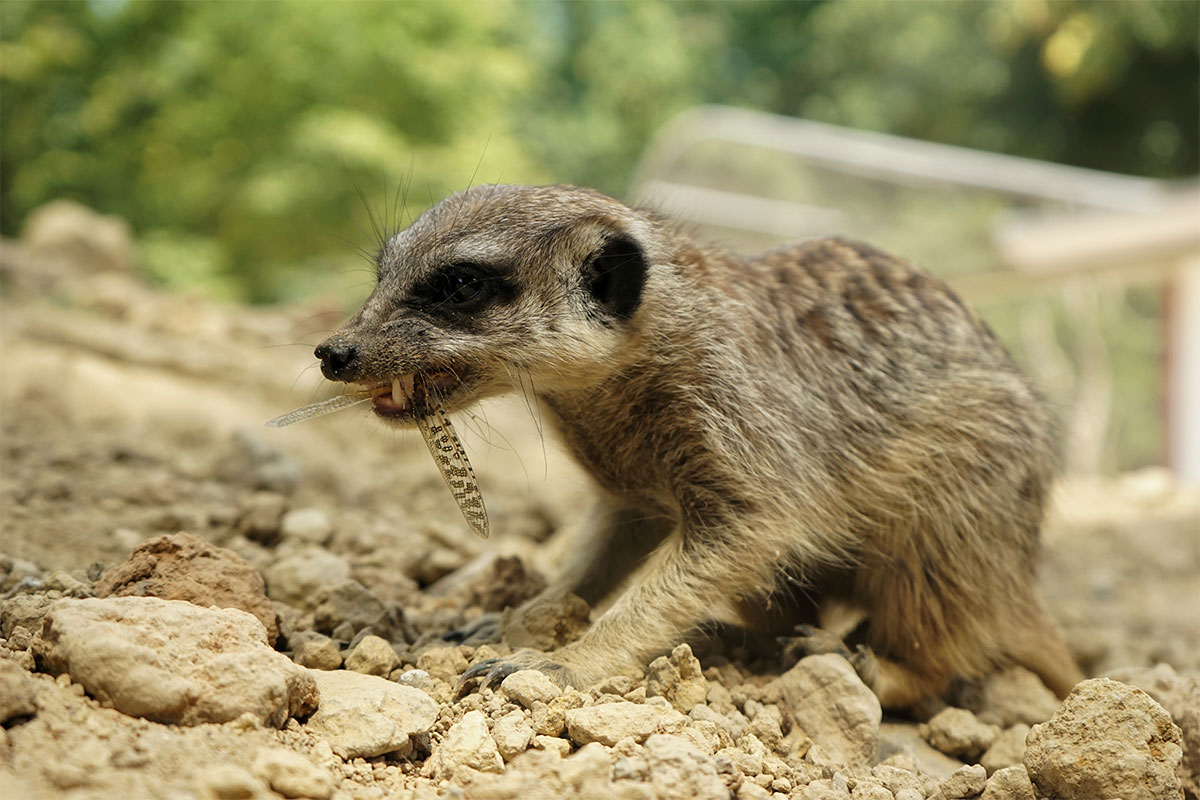
Small but mighty!
Meerkats might look very cute, but don’t underestimate them. With their needle-sharp teeth, they eat insects and even scorpions. Biting right through a human fingernail is no trouble at all for these little predators – as quite a few of our keepers learned the hard way when the meerkats got too impatient at feeding time!
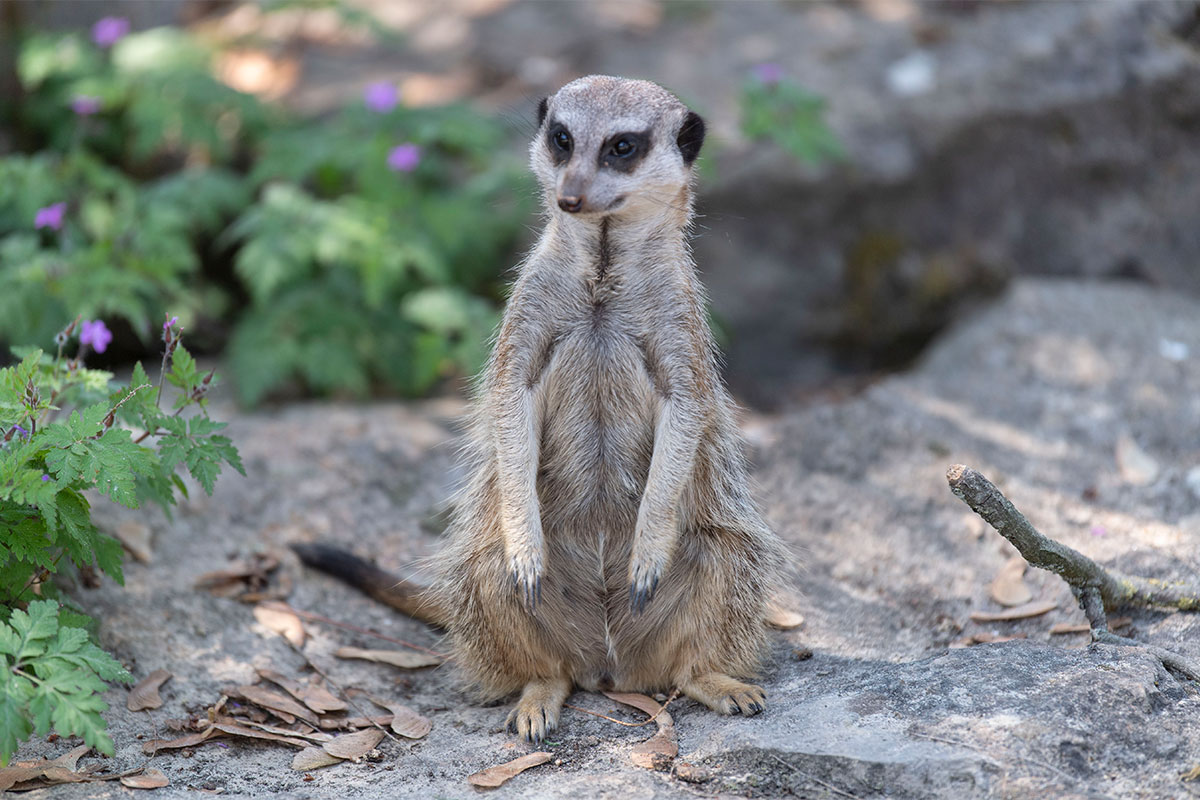
Meaningful communication
Every meerkat mob has a few sentries that stay on the lookout to make sure no predator goes unnoticed. If danger approaches, they sound the alarm with specific calls. In fact, their warnings are remarkably detailed: they communicate what kind of animal is coming, which direction it’s approaching from, how far away it is, and whether the group should flee or fight.